(888) 979-7969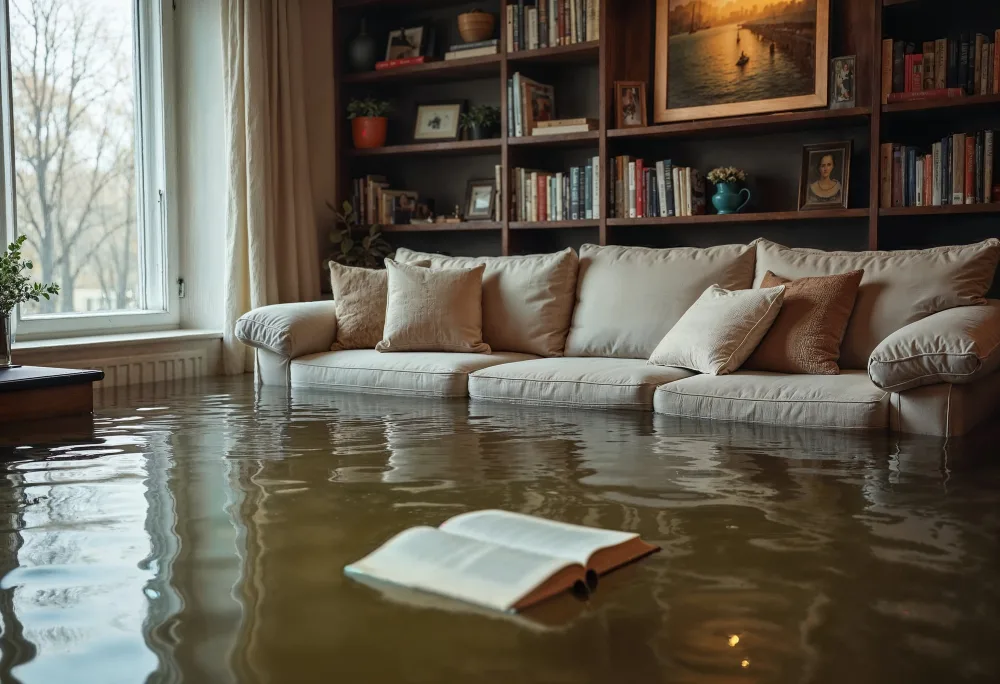
Discovering a flooded home is every homeowner's nightmare. Whether it's a burst pipe in Winter Park or storm surge aftermath in Deltona, the sight of standing water where your living room should be is overwhelming. But the clock starts ticking the moment moisture hits your floors.
Mold can begin to grow in as little as 24 to 48 hours in our humid Florida climate. The actions you take in the first few hours can mean the difference between a manageable repair and a catastrophic loss. Acting swiftly helps you save your property, protect your family’s health, and secure the insurance payout you deserve. Here is a step-by-step guide on exactly what to do immediately after discovering water damage.
Is it safe to stay in the house?
Your priority is safety, not salvage. Water and electricity are a deadly combination. Before you step into a flooded area, turn off the electricity to that part of the home if you can do so safely without standing in water. If the main breaker is in a flooded garage or basement, do not touch it—call an electrician or your utility provider immediately.
Structural damage is another hidden risk. Water adds immense weight to drywall and ceilings. If you see sagging ceilings or notice that the water is coming from an upper floor, stay out of the rooms below. It is better to wait for professional insurance restoration teams to assess the safety of the structure than to risk injury.
How do I stop the water source?
Once you have confirmed it's safe, you must stop the water intrusion immediately. If the water is coming from a burst pipe or a malfunctioning appliance like a dishwasher or washing machine, locate your home’s main water shut-off valve. In most Florida homes, this is located on the side of the house or near the street curb in a meter box.
If the damage is due to a roof leak during one of our notorious afternoon thunderstorms or a hurricane, try to contain the water with buckets and towels, but do not climb onto a wet roof. If the flooding is from rising floodwaters outside, there is little you can do to stop the source until the water recedes. Focus on moving yourself and your family to higher ground or a safe location.
What documentation do I need for my claim?
Before you start mopping up, take your phone out. Insurance companies need proof of the damage to process your claim accurately. Take clear photos and videos of everything. Start with wide shots of the entire room to show the extent of the water, then move in for close-ups of damaged items—soaked carpets, ruined furniture, water lines on walls, and the source of the leak if visible.
Do not throw anything away yet. Even if a rug or chair looks unsalvageable, keep it until your insurance adjuster has seen it or you have documented it thoroughly. A detailed inventory list of damaged items, including their approximate age and value, will speed up the claims process significantly. This evidence is vital for ensuring you get the full coverage your policy allows.
Why should I call professionals right away?
You might be tempted to rent a few fans and handle the drying yourself, but DIY drying is rarely sufficient for repairing water damage in Orlando, Florida. Water seeps into places you cannot see—behind baseboards, under tile, and into wall cavities. If this hidden moisture is not removed, it becomes a breeding ground for mold and can rot your home's framing.
Professional restoration companies use industrial-grade dehumidifiers, air movers, and moisture meters to ensure the structure is completely dry. According to industry data, the cost for professional water extraction and drying can range from $3.75 to $7.00 per square foot, but this investment prevents far more expensive structural repairs down the road. You can check Angi's cost guide for more details on national averages, though local rates may vary.
How do I start the drying process?
While waiting for the pros, you can start mitigating the damage. If the water is clean (from a supply line, not a sewage backup), you can use a wet/dry vac to remove standing water. Open windows and doors if the humidity outside is lower than inside—though in Central Florida, this is rarely the case, so running your air conditioning is usually a better bet to help pull moisture from the air.
Move wet furniture to a dry area or place aluminum foil under the legs to prevent wood stains on your carpet. Pick up loose items like books, shoes, and rugs. The goal is to remove as much moisture as possible to "stop the bleeding" before the restoration crew arrives to perform the deep drying.
Will my insurance cover this?
Navigating an insurance claim can be as tricky as the cleanup itself. Florida homeowners' insurance typically covers sudden and accidental water damage, like a burst pipe. However, gradual leaks or flood damage from rising water (storm surge) usually requires a separate flood insurance policy.
This is where public adjusting becomes invaluable. An insurance company adjuster works for the insurer, but a public adjuster works for you. They understand the nuances of Florida insurance law and can help you interpret your policy to ensure you aren't underpaid. If you feel overwhelmed or if your claim is denied, getting an expert on your side can make a massive difference in your settlement amount.
Swift Action Saves Your Home
Water damage in Orlando, Florida is a race against time. The heat and humidity work against you, accelerating mold growth and structural decay. By acting immediately—shutting off the water, documenting the scene, and calling in experts—you take control of the situation.
Do not let a bad situation get worse by waiting. If you're dealing with water damage and need immediate assistance, contact Ultra Property Damage at (888) 979-7969. Our team knows the local area, and we are ready to help you restore your home to its pre-loss condition.