(888) 979-7969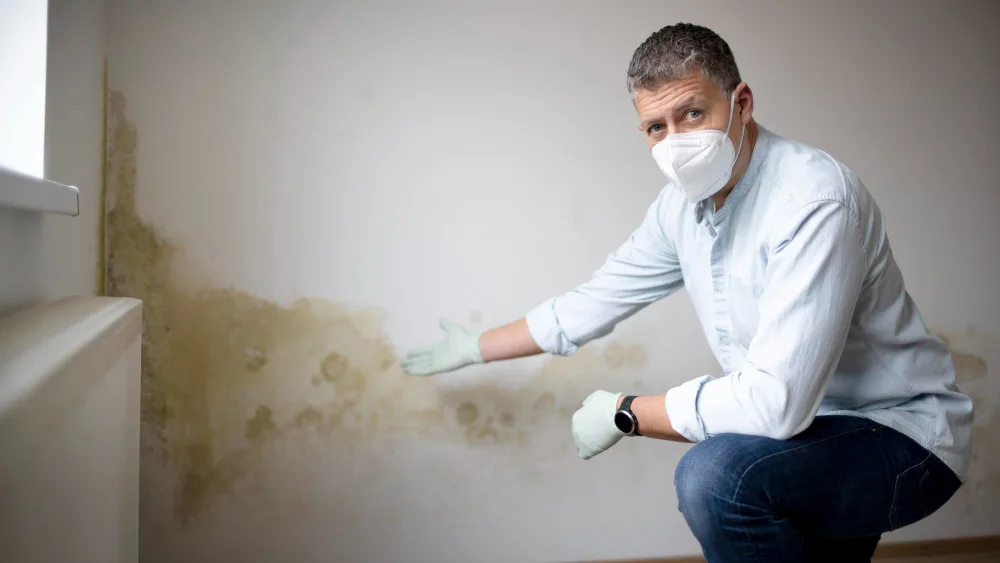
Mold can start growing within 24 to 48 hours after water damage occurs. In Orlando, Florida's heat and humidity make that window even shorter. If you've just had a pipe burst, a roof leak, or flooding in your home, you don't have much time to act.
Contact Ultra Property Damage at (888) 979-7969 for a free consultation before mold turns a manageable water problem into a costly remediation nightmare.
Why Does Florida's Humidity Make Mold Grow So Fast?
Orlando's climate is one of the most mold-friendly environments in the country. With average humidity levels sitting between 70% and 80% year-round, and summer temperatures regularly hitting 90°F or above, your home provides near-perfect conditions for mold spores to settle and multiply.
Mold needs three things to grow: moisture, warmth, and a surface to feed on. After water damage, all three are present simultaneously. That's why the 24-48 hour window that applies nationally can shrink to just 12 hours during Central Florida's summer months. Spores don't wait for you to finish cleaning up.
What Factors Affect How Quickly Mold Spreads?
Several variables determine how fast mold takes hold after water damage in Orlando, Florida. Understanding them helps you prioritize your response.
Temperature: Mold grows fastest between 77°F and 86°F. Orlando's indoor temperatures during summer regularly fall right in that range, especially if the AC is off after a storm or power outage.
Moisture levels: Standing water isn't the only concern. Humidity absorbed into drywall, insulation, and carpet padding creates ongoing moisture that feeds mold long after the visible water is gone. Materials with moisture content above 20% are at high risk.
Building materials: Some materials are far more vulnerable than others. Drywall, wood framing, carpet, and ceiling tiles absorb water quickly and give mold an easy surface to colonize. Concrete and tile are more resistant but still harbor mold in grout lines and behind surfaces.
Air circulation: Poor ventilation traps moisture and accelerates growth. Homes in older neighborhoods like College Park or Winter Park, with original windows and minimal airflow, are especially prone to this problem.
What Types of Mold Are Common in Orlando Homes?
Our team has seen a wide range of mold types across Central Florida homes, and they don't all look the same or behave the same way.
Cladosporium is one of the most common after water damage. It appears as black or green clusters on walls and fabrics and spreads quickly in humid conditions.
Aspergillus often develops on drywall and insulation after flooding. It can appear in many colors and is associated with respiratory issues in sensitive individuals.
Stachybotrys chartarum, commonly called black mold, develops more slowly, typically after 7 to 14 days of sustained moisture exposure. Homes near low-lying areas like those around Lake Nona or along flood-prone streets in Dr. Phillips can face elevated risk after heavy rain events.
Most homeowners don't realize that mold behind drywall can reach several square feet of coverage before it's visible on the surface. By the time you see it, the problem is almost always bigger than it looks.
What Should You Do in the First 24 Hours After a Leak or Flood?
Speed matters more than anything else after water damage in Orlando, Florida. Here's what to do right away.
Stop the water source. Turn off the supply valve or main water shutoff immediately. Every minute of additional flow means more saturation.
Remove standing water. Use a wet/dry vacuum or mop to pull up as much surface water as possible. The goal is to reduce moisture contact time with porous materials.
Ventilate the area. Open windows if outdoor humidity allows, and run fans and dehumidifiers to begin drying the space. Air conditioning helps too, as long as the system itself wasn't damaged.
Pull up wet materials quickly. Saturated carpet and padding should come out within 24 hours. Wet drywall that can't dry out within 48 hours typically needs to be removed and replaced.
Document everything. Photograph all water damage before any cleanup or repairs. This documentation matters significantly for insurance restoration claims.
Call a professional. If the affected area is larger than 10 square feet or involves structural materials, don't try to manage it alone. A licensed remediation and public adjusting team can assess the damage accurately and help protect your claim.
What Are the Health Risks of Mold After Water Damage?
Mold isn't just a structural problem. It's a health problem. Exposure to mold spores can cause nasal congestion, coughing, throat irritation, and eye irritation in otherwise healthy individuals. For people with asthma, allergies, or compromised immune systems, the effects can be significantly more severe.
Children and elderly residents are at particular risk, which makes fast action especially critical in family homes. The EPA recommends that any mold-affected area larger than 10 square feet be handled by a certified professional.
Remediation costs vary widely depending on severity. Minor surface mold in a small area may cost $500 to $1,500 to address. Widespread mold that has penetrated walls and flooring can run $3,000 to $15,000 or more. That cost difference is exactly why the first 24 to 48 hours are so critical. Acting fast can be the difference between a manageable repair and a major restoration project.
Professional remediation also matters for your insurance claim. Ultra Property Damage has been serving homeowners across Central Florida since 1983, with over 5,000 completed projects and more than $100 million in estimates evaluated and written. Their licensed team includes General Contractors, Mold Assessment specialists (MRSA3671), and Public Adjusters who work directly on your behalf to make sure your claim reflects the true scope of the damage.
Don't Wait on Water Damage: Contact Ultra Property Damage Today
Mold growth after water damage is fast, and in Orlando's climate, it's even faster. The first 24 to 48 hours after a leak or flood determine how serious and how expensive the aftermath becomes.
If your home has experienced any water damage, whether from a burst pipe, roof leak, appliance failure, or flooding, the team at Ultra Property Damage is ready to help. Call (888) 979-7969 for a free consultation. They'll assess the damage, manage temporary repairs, and fight for the maximum recovery on your insurance claim.
Don't let a 24-hour problem turn into a months-long remediation. Call Ultra before mold makes the decision for you.